
If you are selling to both businesses and consumers, you need to understand that they are fundamentally different customers with different expectations. Here are nine differences that shape how you run your B2B operation.
1. Volume and Pricing
Wholesale revolves around volume pricing — the more a buyer purchases, the lower the per-unit price. Retail is transactional at fixed prices. Your entire pricing architecture changes based on which market you serve.
2. Order Frequency and Size
Wholesale buyers place larger, less frequent orders and expect bulk shipping rates. Retail customers buy small quantities frequently. This affects your inventory planning, packaging, and logistics design.
3. Negotiation vs Fixed Price
B2B buyers negotiate — on price, payment terms, delivery schedules, and minimums. Retail is largely non-negotiable. Your sales team needs the authority and tools to handle B2B negotiations professionally.
4. Payment Terms
Wholesale typically involves credit terms (net 30, net 60) or deposits, while retail is paid immediately. Offering credit increases sales but requires credit management processes and collections discipline.
5. Decision-Making Cycle
Retail purchases are often impulsive and short. B2B purchases involve multiple stakeholders and longer evaluation periods. Your marketing and sales cycles must reflect this — expect months, not minutes.
6. Customer Relationships
Wholesale success depends on long-term relationships, account management, and service levels. Retail is more transactional. Investing in dedicated account managers for wholesale clients directly drives retention.
7. Packaging and Branding
Wholesale products need durable, often unbranded packaging suitable for repackaging. Retail requires consumer-ready, shelf-appealing packaging. Running both means maintaining two packaging strategies.
8. Shipping and Logistics
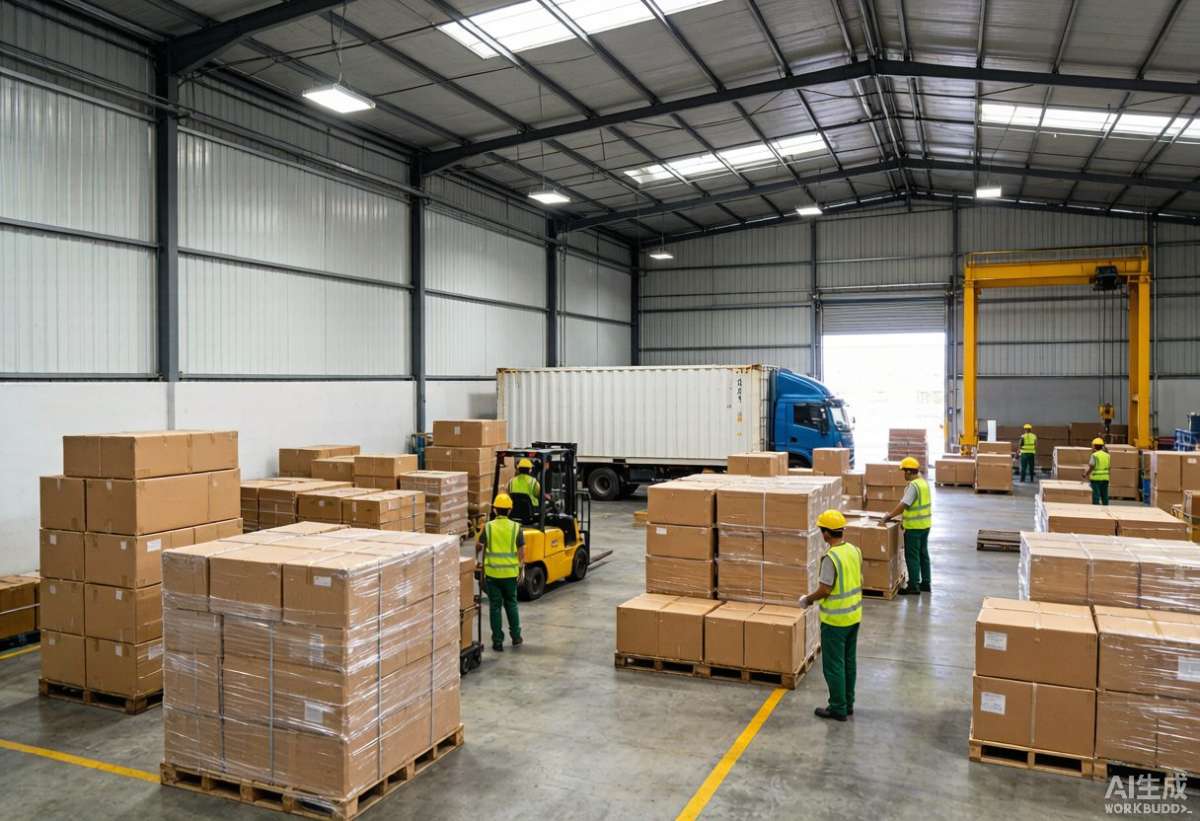
Wholesale shipping is palletized, contracted, and cost-per-unit optimized. Retail shipping is parcel-based and consumer-tracked. Your logistics team must master both or outsource one.
9. Customer Support
B2B buyers expect dedicated support, technical assistance, and faster response times. They are solving business problems, not personal needs. Support staffing and service levels differ significantly.
Understanding these differences helps you avoid costly mistakes like pricing retail terms for wholesale buyers or vice versa. Many successful suppliers run both channels — but as separate, well-defined operations.