
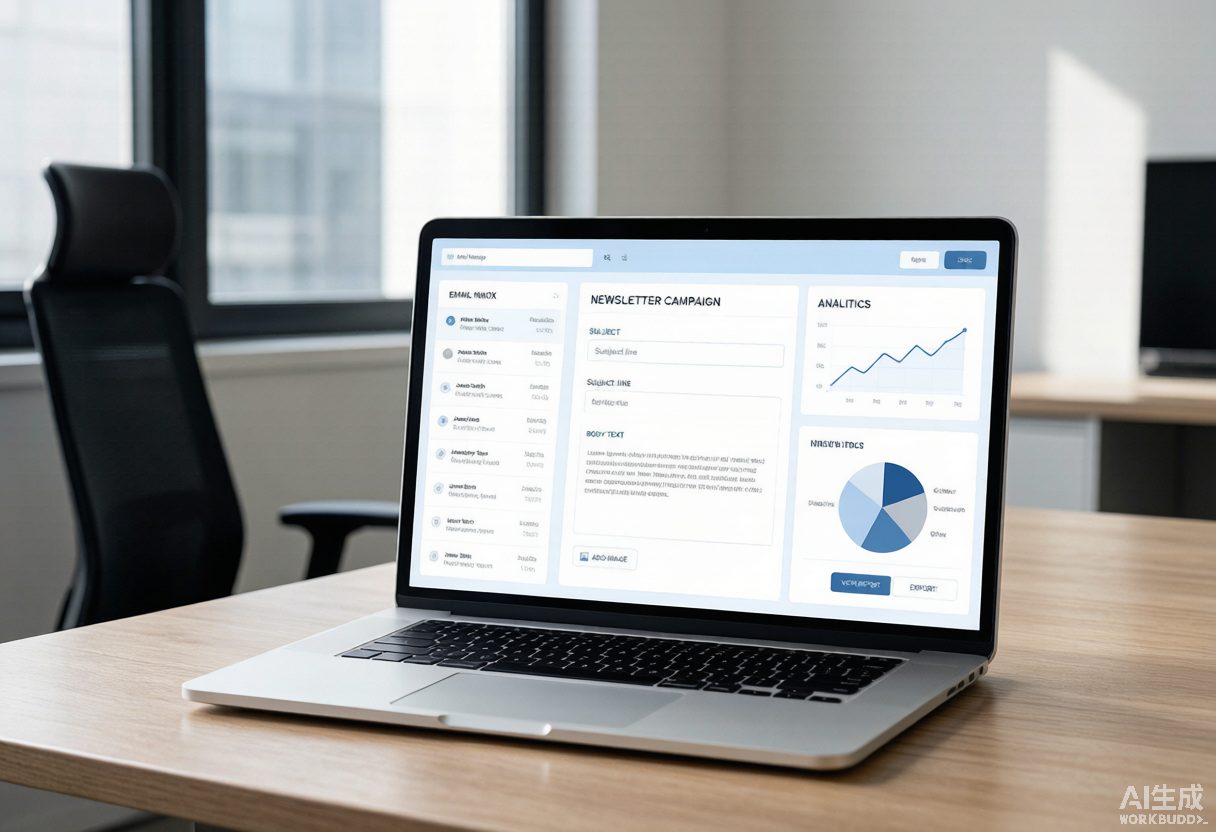
Email marketing consistently delivers the highest ROI of any B2B channel — around 36 dollars for every dollar spent. But that return depends on one thing: reaching the inbox. Here is the complete playbook.
Deliverability: The Invisible Gate
Before any tactic matters, your emails must be delivered. Maintain authentication with SPF, DKIM, and DMARC. Keep your sender reputation healthy by pruning inactive contacts and avoiding spam-trigger words. Monitor bounce rates and blacklist status continuously.
Personalization Beyond First Name
Personalization now means behavioral relevance. Segment by industry, company size, stage of buying cycle, and past interactions. Use progressive profiling to enrich records. Dynamic content blocks let one email adapt to different buyer personas.
Tactic 1: Welcome Sequences That Qualify
Your first emails set expectations and filter leads. Use a multi-email welcome flow that asks about challenges and budget — qualifying subscribers early saves your sales team time.
Tactic 2: Lead Nurturing with Trigger-Based Emails
Automate follow-ups based on behavior: whitepaper downloads, pricing page visits, demo requests. Trigger emails outperform blasts because they arrive when the buyer is engaged.
Tactic 3: Abandoned Cart Recovery for B2B
B2B carts are abandoned for different reasons — missing quotes, unclear shipping. Recover them with helpful, consultative emails that answer objections rather than discount.
Tactic 4: Account-Based Email Sequences
For ABM, create sequences targeting specific accounts with role-based messages. The champion sees value, the economic buyer sees ROI, and the champion's boss sees strategic alignment.
Tactic 5: Newsletter with Curated Value
A consistent, genuinely useful newsletter builds authority. Curate industry insights, company updates, and original analysis. Send it on a predictable schedule and let unsubscribes guide your content decisions.
Tactics 6-12: The Operational Essentials
Round out your program with re-engagement campaigns for dormant leads, post-event follow-up sequences, case study distribution emails, product launch announcements, upsell and cross-sell campaigns for existing customers, seasonal or industry-trend emails, and executive summary mailings for decision-makers.
Measuring What Matters
Ignore vanity metrics. Track deliverability rate, reply rate (the strongest engagement signal in B2B), meetings booked, and pipeline influenced. If reply rates are below 2% and deliverability below 95%, fix fundamentals before adding more campaigns.